Raised on Coffee and Jesus 42: A Designer Review
As a designer who has spent years navigating the intersection of digital files and physical thread, I approach every new asset with a critical eye. The market is flooded with generic T-Shirt Designs, but finding a piece that balances faith, humor, and wearability is rare. Today, I am evaluating Raised on Coffee and Jesus 42, a digital download that promises to be a staple for faith-based crafters. Before you commit this to your machine or list it in your shop, let's break down how this Graphics file actually performs in the real world.
First Impressions: Mood and Visual Personality
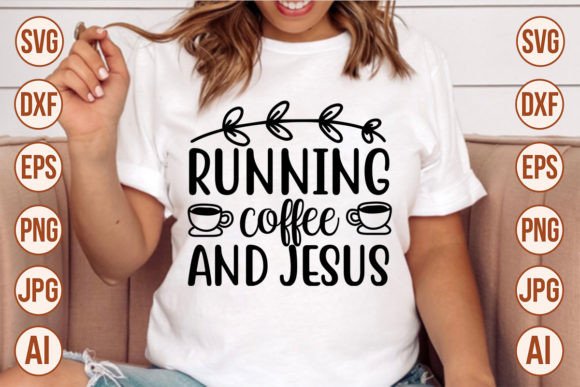
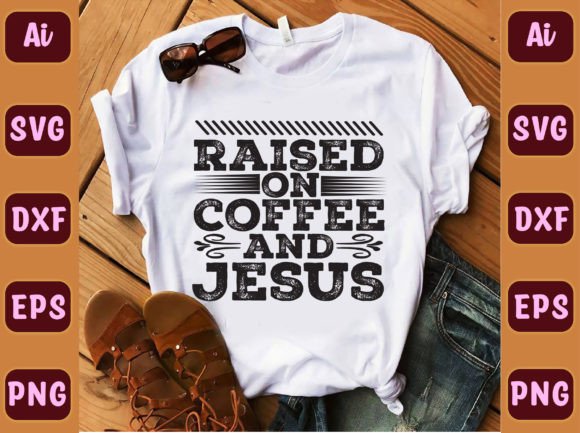
When I first opened the preview for Raised on Coffee and Jesus 42, the immediate vibe was warm, relatable, and distinctly modern. This isn't a stiff, traditional religious motif; it feels like a conversation starter. The typography likely drives the design, creating a layout that works well as a statement piece. For an embroidery project, the visual personality suggests a casual, everyday aesthetic. It screams "morning routine" and "Sunday morning," making it perfect for items people use daily rather than just display.
The balance between the text elements and the implied iconography (if any) creates a focal point that draws the eye without overwhelming the fabric. In my experience, designs that rely heavily on text require careful attention to font weight and spacing. If the lettering is too thin, it can get lost in the weave of the fabric. However, the concept here is strong enough that even a simple execution could yield a high-quality finished product.
Testing the Waters: A Real-World Scenario
To truly understand the potential of Raised on Coffee and Jesus 42, imagine a specific scenario. You are preparing a custom embroidered tote bag for a local church boutique or a small shop product line for a coffee lover's birthday gift. You load the design into your software, perhaps using the SVG file for Circuit Explore or Silhouette Designer Edition, or the DXF if you are strictly working within the Silhouette ecosystem.
Let's say you choose a sturdy canvas tote bag. You hoop the fabric, ensuring the tension is tight. As the machine starts, you watch the fill stitch lay down the background color. Because the phrase is short and punchy, the stitch density should remain manageable, preventing puckering on the thick canvas. When the needle finishes, the result is a bold, readable statement. The customer picks up the bag, smiles at the sentiment, and immediately sees the quality of the work. This is where the design shines: it transforms a basic utility item into a personalized gift that carries meaning.
Alternatively, picture this on a heavyweight sweatshirt. The contrast of white or cream thread against a charcoal grey fleece would make the text pop. The satin stitch outlining the letters adds a professional sheen that elevates the perceived value of the garment. In this context, Raised on Coffee and Jesus 42 moves from a simple graphic to a premium branding element for a handmade business.
Navigating Technical Challenges
While the concept is solid, practical application requires caution. Not all fabrics or hoop sizes are created equal. If you attempt to scale Raised on Coffee and Jesus 42 down to fit a tiny cap patch, you risk losing legibility. Small lettering in embroidery is notoriously difficult; the thread can bridge gaps, making the text look muddy. Always check the minimum size requirements before committing to a small hoop size.
Fabric texture also plays a crucial role. On a highly textured knit or a loose-weave linen, the detail might get swallowed by the grain of the material. In these cases, a heavy-duty stabilizer is non-negotiable. Without it, the fabric will distort under the pressure of the needle, ruining the alignment of the words. Similarly, dark fabrics require careful planning. If you are stitching this on black denim, ensure your thread colors offer sufficient contrast. A light beige or bright white usually works best to maintain visibility and impact.
Curved surfaces present another hurdle. If you decide to place this design on a baseball cap, the curvature can cause the straight lines of the text to bow or pucker. You may need to adjust the design slightly in your software to compensate for the curve, or choose a flatter area of the cap. Remember, what looks perfect on a screen mockup can behave differently when wrapped around a three-dimensional object.
Strategic Use for Craft Businesses
For the Etsy seller or the owner of a craft business, this design offers significant commercial potential. Faith-based apparel and accessories consistently perform well during holidays and throughout the year. By incorporating Raised on Coffee and Jesus 42 into your inventory, you tap into a niche audience looking for products that reflect their lifestyle and beliefs.
This design fits seamlessly into categories like holiday gifts, nursery decor (perhaps on a soft blanket for a toddler), or kitchen towels for the home barista. The versatility allows you to create a cohesive collection. Imagine a set of matching aprons and tea towels featuring this phrase. The consistency builds brand recognition and encourages customers to buy multiples.
However, always verify the licensing terms before selling finished items. While the product description mentions SVG and DXF files for various software suites, it does not explicitly state the commercial rights for the final stitched goods. Ensure you have the right to sell products made with this machine embroidery design. If you plan to resell the digital file itself, double-check the license agreement to avoid legal issues.
Practical Designer Notes for Success
Before you start stitching in earnest, follow these steps to ensure the best results:
- Test on Scrap Fabric: Never skip this step. Run the design on a scrap piece of the actual fabric you intend to use. Check for puckering, thread breaks, and alignment issues.
- Review Stitch Density: If the fill areas look too dense, they can make the fabric stiff. Adjust the settings in your software if necessary to achieve a softer hand feel.
- Confirm Hoop Size: Measure the bounding box of the design against your available hoops. If it barely fits, consider enlarging it slightly to prevent edge clipping.
- Inspect Small Details: Zoom in on the digital file to check for any jagged edges or disconnected paths that could cause thread loops during stitching.
- Use Proper Stabilizer: Whether you are doing custom apparel or an embroidered patch, the right stabilizer is the backbone of a professional finish.
- Compare Light and Dark Backgrounds: Create printable mockups to visualize how the design looks on different colored fabrics. This helps in selecting the right thread palette.
Final Verdict on Visual Appeal and Value
Raised on Coffee and Jesus 42 is more than just a string of words; it is a versatile asset that can enhance the visual appeal of many handmade projects. When executed correctly, it boosts product value and customer trust. People want to buy items that speak to them, and this design does exactly that. It offers a sense of community and shared identity, which is powerful for buyer engagement.
Whether you are a hobbyist creating a unique personalized gift or a professional decorator building a commercial embroidery portfolio, this design holds its ground. Just remember that the magic happens in the details—the choice of thread, the stability of the fabric, and the precision of the machine. With careful planning and attention to the technical nuances, Raised on Coffee and Jesus 42 can become a standout piece in your collection, proving that great design meets great craftsmanship.