Jesus Cross Design: A Designer's Real-World Review
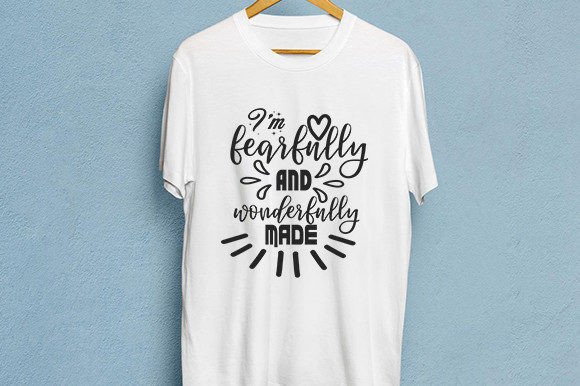
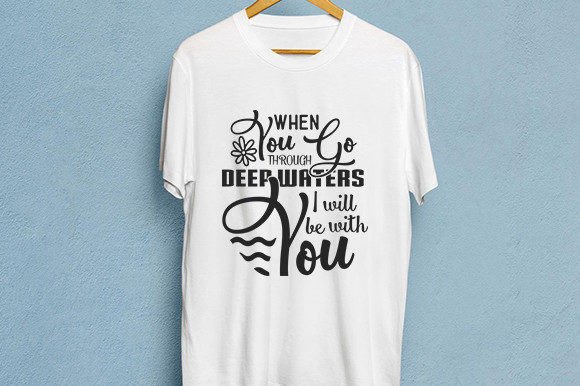
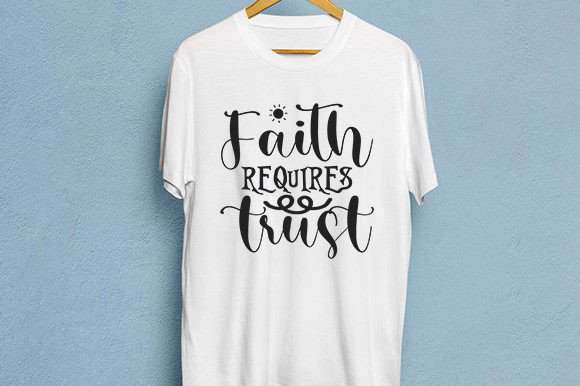
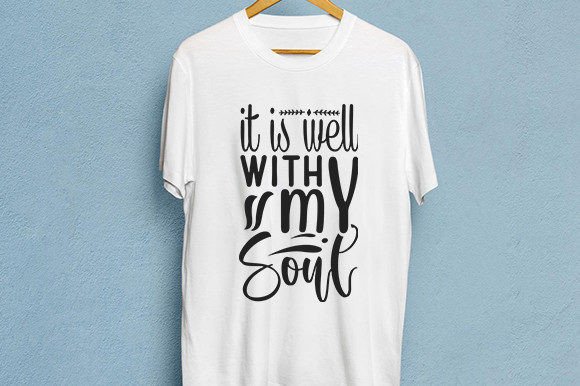
As a designer who has spent years navigating the delicate balance between digital art and physical thread, I approach every new asset with a critical eye. When I first opened the folder containing the Jesus Cross Design, my initial thought wasn't just about the aesthetic appeal of the graphic itself, but how it would translate into a tangible machine embroidery design. The intersection of faith-based imagery and modern apparel decoration requires a specific kind of sensitivity. This isn't just another T-Shirt Designs or generic Graphics file; it is a symbol that carries weight, both literally in terms of stitch density and metaphorically for the customer wearing it.
The First Impression: Visual Weight and Mood
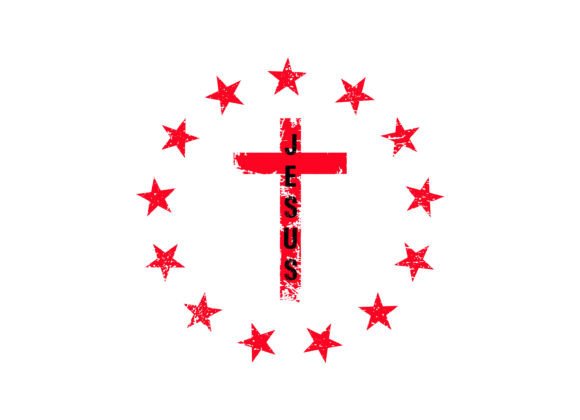
Before even loading the embroidery file into my software, I examined the vector outlines. The Jesus Cross Design presents a bold, clear silhouette that immediately suggests strength and tradition. In the world of custom apparel, clarity is king. Many religious designs suffer from being overly ornate, leading to muddy stitching when scaled down. However, this particular layout feels grounded. It avoids unnecessary clutter, which is a massive plus for anyone planning a commercial embroidery project where consistency across multiple units is vital.
The mood it creates is one of reverence without being somber. It feels like a piece that could sit comfortably on a rugged denim jacket or a soft cotton tote bag. For an Etsy seller or a small shop owner looking to expand their holiday collection, this design offers a versatile foundation. It doesn't scream for attention in an aggressive way; instead, it invites the viewer to pause. That subtlety is often what separates a mass-produced item from a high-quality handmade product.
A Real-Life Scenario: The Custom Tote Bag Project
To truly test the viability of the Jesus Cross Design, I imagined a specific use case: creating a line of premium canvas tote bags for a local boutique church event. These bags need to be durable, washable, and visually striking enough to serve as mobile advertisements. I visualized placing the cross on the front panel of a natural beige canvas. The contrast between the dark thread and the light fabric texture would be crucial here.
In this scenario, the design's clean lines work in our favor. If I were to attempt a complex applique design version, the simple geometry of the cross would ensure that the fabric layers lay flat without puckering. However, if sticking to a standard fill stitch method, I would need to be mindful of the stitch density. Too dense, and the canvas becomes stiff; too loose, and the threads might snag on rough surfaces. The Jesus Cross Design seems to strike a middle ground, offering enough surface area for a solid fill while maintaining structural integrity.
When considering the finished product, I can see customers carrying these bags through a farmer's market or a community gathering. The design holds up well against the backdrop of everyday life. It transforms a simple utility item into a statement piece. For a craft business, this kind of transformation is exactly what drives sales. People aren't just buying a bag; they are buying an identity, and this design supports that narrative effectively.
Navigating Technical Challenges and Fabric Choices
While the potential is high, practical application requires caution. As any experienced embroiderer knows, not all fabrics play nice with every design. The Jesus Cross Design should be used carefully on stretchy fabrics like jersey knit or thin materials like chiffon. Without the proper stabilizer, the tension from the satin stitch borders could cause the fabric to pucker or distort over time. I strongly advise testing the design on scrap fabric first, especially if you are working with textured materials like fleece or heavy wool.
For those looking to create embroidered patch products, this design is a strong contender. Patches require a robust outline and a consistent fill, both of which this graphic provides. However, if you are shrinking the design for a cap or a baby onesie, you must inspect the small details. Tiny lettering or intricate corners can get lost in the weave of the fabric or become difficult to trim during finishing. Always check your hoop size limitations before committing to a production run.
Furthermore, consider the color palette. While the design works beautifully in black or white, using vibrant thread colors can change its impact entirely. On a dark sweatshirt, a metallic gold or silver thread could elevate the Jesus Cross Design to a luxury feel. Conversely, on a bright red shirt, a contrasting white might offer a classic, timeless look. Testing these combinations in a printable mockup before purchasing thread is a smart move for any digital product seller wanting to minimize waste.
Business Value and Customer Perception
From a commercial standpoint, the Jesus Cross Design adds significant value to a brand's portfolio. Religious and spiritual themes remain evergreen in the apparel decorator industry. Customers trust brands that handle such symbols with care and quality. A poorly stitched cross can look cheap and disrespectful, damaging customer trust instantly. But a well-executed version of this design signals professionalism and attention to detail.
For the Etsy seller focusing on personalized gift items, this design opens doors for customization. Imagine adding a name or a date below the cross for a baptismal gift or a memorial keepsake. The clean bottom edge of the design leaves room for text without crowding the main image. This flexibility makes it a valuable asset for small shop merchandise that needs to cater to specific emotional moments.
It also serves as a great anchor for holiday embroidery collections. During Christmas or Easter, demand for faith-based decor spikes. Using this design on pillow covers, tea towels, or blankets can create a cohesive seasonal line. The key is ensuring the finished product looks as good in person as it does in the digital preview. High-resolution files like the SVG, EPS, and AI formats mentioned in the package allow for precise scaling, ensuring that whether you are making a giant banner or a tiny button, the lines remain crisp.
Practical Notes for the Embroidery Designer
If you decide to incorporate the Jesus Cross Design into your workflow, keep these practical notes in mind:
- Test Before Production: Always run a test on a similar fabric to check for tension issues and thread breakage.
- Stabilizer is Key: Use a cut-away stabilizer for stretchy knits and a tear-away for wovens to maintain the shape of the cross.
- Check File Formats: Since you receive SVG, JPEG, PNG Transparent, EPS, and AI files, ensure your machine software is compatible with the editable vectors for best results.
- Licensing Check: Confirm the licensing terms before selling finished items or reselling the digital embroidery file itself. Commercial use rights vary by vendor.
- Mockup Variations: Create mockups on both light and dark backgrounds to show potential buyers the full range of possibilities.
Ultimately, the Jesus Cross Design is more than just a set of coordinates for a needle. It is a tool for storytelling and expression. Whether you are a hobbyist making gifts for family or a professional running a bustling craft business, this design offers a reliable, respectful, and visually appealing option. By treating it with the technical respect it deserves—checking densities, choosing the right fabrics, and testing thoroughly—you can turn a simple graphic into a cherished piece of wearable art.